
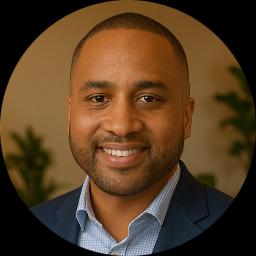
Donny Simpson
Responsive, evidence-informed therapy for life transitions
LMFT California
- Experience
- 6 years in practice
- Focus areas
- Addictions, LGBT, Relationship
- Approaches
- Cognitive Behavioral Therapy (CBT), Attachment-Based Therapy
- Languages
- English
About Donny
Donny Simpson is a licensed marriage and family therapist practicing in California who supports people facing a range of life challenges, including addiction, relationship difficulties, trauma, and identity-related concerns.
Background and approach
He emphasizes creating an affirming, compassionate environment where individuals can explore topics such as self-worth, communication, intimacy, and grief while building practical skills to manage stress, anxiety, and depression.
Drawing on six years of clinical experience and a client-centered orientation, he blends evidence-based methods like cognitive behavioral techniques, attachment-informed perspectives, and emotion-focused work with mindfulness practices and motivational interviewing. This mix aims to foster clearer insight, healthier relational patterns, and greater emotional regulation.
Donny approaches each case with respect and curiosity, tailoring interventions to the unique needs and goals presented in therapy. Clients can expect collaborative goal-setting and strategies that translate into everyday change, whether addressing substance use, navigating family concerns, coping with loss, or exploring gender and sexual identity issues.
He holds the California LMFT credential (CA LMFT 114365) and frames his work around practical steps toward resilience and personal growth.
Approaches that guide online therapeutic work
Cognitive Behavioral Therapy focuses on identifying and shifting unhelpful thoughts and behaviors to reduce symptoms like anxiety, depression, and problematic coping patterns. This approach often includes practical exercises and skill-building that clients can apply between sessions to manage mood and reactions more effectively.
Attachment-Based Therapy explores how early relationships shape current patterns of trust, intimacy, and emotional regulation. It helps people understand relational triggers and develop healthier ways of connecting, which can be useful for addressing family conflicts, relationship distress, and issues rooted in attachment wounds.
Finding the right approach is part of the therapeutic process and will be explored collaboratively. The therapist works with clients to clarify goals, test different techniques, and adapt interventions based on what resonates and produces meaningful change for the individual's circumstances.
Online therapy offers flexible access through video calls, phone sessions, live chat, or text-based messaging, enabling continuity of care around work, family, and other commitments. These options make it easier to maintain momentum between sessions and to use brief check-ins or different formats as needs shift, supporting steady progress toward stated goals.
Frequently asked questions
What concerns does this therapist commonly address?
What therapeutic style can I expect in sessions?
How much clinical experience does the therapist have?
What are the credentials and location of the therapist?
Can I work with this therapist if English is not my first language?
Which session formats are available for online work?
How are fees and payment handled?
What steps are needed to begin therapy?
Areas of expertise
Primary focus
Also works with
Additional focus areas
Therapeutic approaches
Experience
6+ years
Licensed
California
Languages
English