
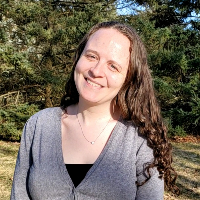
Dr. Chelsea Dumas
Practical, collaborative care for stress and addiction recovery
MI Psychologist 6301018607, IL Psychologist 071009812 Michigan
- Experience
- 12 years in practice
- Focus areas
- Stress, Anxiety, Addictions, Family
- Approaches
- Cognitive Behavioral Therapy (CBT), Client-Centered Therapy
- Languages
- English
About Chelsea
Dr. Chelsea Dumas is a clinical psychologist licensed in Michigan and Illinois who focuses on stress, anxiety, addictions, trauma and abuse, depression, relationship concerns, sleep problems, anger, self-esteem, career issues, bipolar disorder, coping with life changes, and compassion fatigue.
Background and approach
She combines evidence-informed methods to help people examine how thoughts, feelings, and environments interact and to build practical skills for daily functioning. With 12 years of clinical experience, she has particular expertise addressing substance use and its effects on individuals and their families, as well as treating mood disorders and trauma-related symptoms.
Her style blends cognitive-behavioral techniques with client-centered principles and an appreciation for family-systems influences, which means she attends to how relationships and surroundings affect coping and problem solving. Sessions move at the client’s pace and prioritize goals that matter to the individual.
Dr. Dumas draws on motivational interviewing and trauma-focused strategies when appropriate to support changes in behavior and to process difficult experiences.
She practices from Michigan and holds licenses as MI Psychologist 6301018607 and IL Psychologist 071009812. English is her working language and she does not accept international clients.
Prospective clients can expect a collaborative, practical approach aimed at managing symptoms and improving daily functioning.
Combining evidence-based approaches with flexible online care
Cognitive Behavioral Therapy (CBT) helps people identify and change unhelpful thinking and behavior patterns to reduce symptoms of anxiety, depression, and sleep difficulties. Client-Centered Therapy emphasizes listening and working at the client’s pace, supporting personal goals and fostering self-directed growth. Dialectical Behavior Therapy (DBT) builds skills in emotion regulation, distress tolerance, and interpersonal effectiveness and can be useful for intense emotional reactions and relationship difficulties.
Choosing the right approach is a collaborative process. The therapist will work with each person to assess needs, preferences, and goals, and then draw on one or more methods that fit best. This partnership helps tailor strategies so they are practical and relevant to daily life.
Online therapy offers flexibility through video calls, phone sessions, live chat, and text-based messaging, allowing people to access care from different locations and at varied times. These options make it easier to fit therapy into busy schedules, continue work during transitions, and maintain momentum between in-person appointments when needed.
Frequently asked questions
What concerns does she commonly address?
What is her therapeutic approach and style?
How much clinical experience does she have?
What credentials and where does she practice?
Which languages are available and does she accept international clients?
In what formats are sessions offered?
How are costs and subscriptions handled?
What are the steps to begin working with her?
Areas of expertise
Primary focus
Also works with
Additional focus areas
Therapeutic approaches
Experience
12+ years
Licensed
Illinois, Michigan
Languages
English