
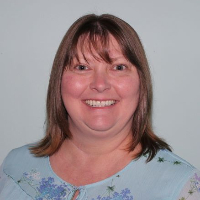
Carol Tallant
Compassionate care for trauma and life transition recovery
LMHC, LPC Georgia
- Experience
- 15 years in practice
- Focus areas
- Stress, Anxiety, LGBT, Trauma and abuse
- Approaches
- Cognitive Behavioral Therapy (CBT), Client-Centered Therapy
- Languages
- English
About Carol
Carol Tallant is a licensed mental health counselor who supports people navigating stress, anxiety, trauma and abuse, grief, depression, addictions, relationship and intimacy concerns, and a range of life transitions.
Background and approach
With 15 years of clinical experience, she draws on skills developed working with survivors of sexual trauma and childhood abuse to help clients make sense of intense emotions, intrusive memories, and patterns rooted in past wounds. Her approach blends practical, evidence-informed strategies with empathic listening.
Carol integrates Cognitive Behavioral Therapy alongside client-centered and dialectical methods to help clients identify unhelpful thoughts, practice emotional regulation skills, and build a clearer sense of self. She also brings tools from existential therapy and hypnotherapy when appropriate to explore meaning, values, and deeper patterns that influence behavior.
Based in Georgia, Carol holds licenses as an LMHC and an LPC and focuses on creating a therapeutic space where people feel heard and gradually reclaim greater ease in daily life. She works collaboratively to set goals, develop coping skills, and reduce the hold that past experiences have on present-day functioning.
Therapeutic approaches and online care that fit your life
Carol commonly uses Cognitive Behavioral Therapy to help people identify unhelpful thought patterns and develop practical skills for managing anxiety, depression, and stress-related symptoms. CBT focuses on changing thoughts and behaviors that maintain emotional distress, which can be useful for mood disorders, anxiety, and coping with life changes.She also incorporates Client-Centered Therapy, offering a supportive, nonjudgmental space where the client's experience guides the work. This approach emphasizes empathy and validation to help people feel heard and foster self-directed growth. Dialectical Behavior Therapy techniques may be used to teach emotional regulation, distress tolerance, and interpersonal effectiveness when intense emotions or self-harm behaviors are present.
Finding the right approach is a collaborative process; the therapist will work with each client to determine which combination of methods best suits their goals, preferences, and the issues they bring. That collaborative exploration guides treatment planning and adjustments over time.
Online sessions via video, phone, live chat, or text-based messaging allow for flexibility in scheduling and make it possible to maintain continuity of care from different locations. These formats can help clients fit therapy into busy lives and access therapeutic support in ways that match their comfort and communication style.
Frequently asked questions
What concerns does Carol commonly address?
What is Carol's therapeutic style?
How much clinical experience does she have?
What credentials and where is she licensed?
Can non-English speakers access her services?
What session formats are available?
How are sessions paid for and what is the cost?
What are the first steps to begin therapy?
Areas of expertise
Primary focus
Also works with
Additional focus areas
Therapeutic approaches
Experience
15+ years
Licensed
Georgia, Florida
Languages
English