
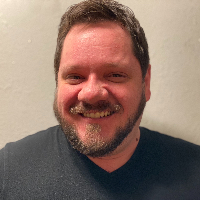
Brandon Bunker
Compassionate clinician guiding practical change
LCMHC, LPC Utah
- Experience
- 11 years in practice
- Focus areas
- Stress, Anxiety, LGBT, Relationship
- Approaches
- Cognitive Behavioral Therapy (CBT), Acceptance and Commitment Therapy (ACT)
- Languages
- English
About Brandon
Brandon Bunker is a licensed clinician practicing in Utah who focuses on helping people manage stress, anxiety, depression, trauma and abuse, relationship and intimacy challenges, and issues related to sexual health and identity.
Background and approach
He draws on a range of evidence-informed methods to support clients working through addiction, family and parenting concerns, career transitions, and the emotional fallout from life changes and caregiver fatigue. Brandon's name is attached to a practice that emphasizes compassion and practical skill-building.
His style blends client-centered listening with structured interventions, aiming to help clients strengthen communication, rebuild self-esteem, and clarify personal boundaries and values.
Brandon uses Cognitive Behavioral Therapy (CBT) among other approaches to help people identify unhelpful thoughts and develop more effective coping strategies, while also integrating attachment-informed perspectives and emotionally-focused techniques when relationships or early bonds are central to the problem. He holds LCMHC and LPC credentials and brings 11 years of professional experience to his work.
Sessions emphasize collaboration and personalized goals, so clients can expect both empathic support and concrete tools for change. Brandon offers multiple online formats to fit different schedules and prefers to tailor treatment choices to each person's needs and pacing.
Approaches for Online Work and Practical Change
Brandon frequently uses Cognitive Behavioral Therapy to help people notice and change unhelpful thinking patterns and to develop concrete coping skills for anxiety, depression, and stress-related problems. He also draws on Acceptance and Commitment Therapy to support clients in clarifying values and learning to act on them even when difficult emotions are present, which can be helpful for navigating life changes and persistent distress. Attachment-Based ideas inform his work when relationship patterns or early bonds are influencing current struggles, offering ways to understand and shift relational responses.Choosing the right approach is treated as a collaborative process; the therapist will explore a client's goals, preferences, and lived experience and then recommend or blend methods that seem most likely to help. This shared decision-making helps tailor pacing and interventions so treatment feels relevant and manageable.
Online formats include video calls, phone sessions, live chat, and text-based messaging, which can increase scheduling flexibility and access for people balancing work, family, or location constraints. These options allow licensed professionals to provide regular check-ins, skills coaching, and therapeutic conversation without requiring travel, making it easier to maintain continuity of care and integrate new strategies into daily life.
Frequently asked questions
What concerns does this therapist commonly address?
What is the therapist's general approach or style?
How much clinical experience does he bring?
What credentials and licensure does he hold and where is he based?
Which languages are available and can he work with international clients?
What session formats are offered for remote work?
How is cost handled for sessions?
What are the steps to begin working together?
Areas of expertise
Primary focus
Also works with
Additional focus areas
Therapeutic approaches
Experience
11+ years
Licensed
Utah, Virginia
Languages
English