
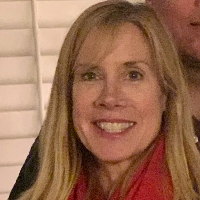
Amy Shafer
Experienced LCSW blending CBT and relational work
LCSW California
- Experience
- 30 years in practice
- Focus areas
- Stress, Anxiety, Grief, Self esteem
- Approaches
- Cognitive Behavioral Therapy (CBT), Acceptance and Commitment Therapy (ACT)
- Languages
- English
About Amy
Amy Shafer is a Licensed Clinical Social Worker (LCSW) with three decades of practice grounded in cognitive behavioral strategies alongside complementary approaches. She blends practical, skill-based work with attention to values and relationship patterns to help people manage stress, anxiety, depression, grief, and life transitions.
Background and approach
Her training in CBT informs a focus on changing unhelpful thinking and behavior patterns while also incorporating mindfulness and acceptance-based techniques when useful. Shafer’s career spans a variety of settings and age groups, with more recent emphasis on adult and geriatric clients and their families.
She addresses issues ranging from trauma and abuse, intimacy and relationship difficulties, and family systems concerns to medical and caregiving challenges, chronic illness, and complications like codependency and communication problems. With experience in problem solving, interpersonal recovery, and adapting to stages of life, she offers practical tools informed by decades of clinical work.
Based in California, she approaches treatment collaboratively and aims to support people seeking competent professional help for meaningful change.
How evidence-based approaches translate to online care
Shafer integrates Cognitive Behavioral Therapy (CBT) with Acceptance and Commitment Therapy (ACT) to create a practical, values-oriented approach to common struggles. CBT focuses on identifying and changing thinking and behavior patterns that contribute to distress, often using structured exercises and homework to build new skills for anxiety, depression, and sleep difficulties. ACT emphasizes accepting difficult thoughts and feelings while clarifying personal values and committing to actions that align with what matters most, which can be especially helpful for coping with grief, chronic illness, and life transitions.Finding the right blend of methods is treated as a collaborative process. The therapist works with each person to explore which strategies fit their goals, preferences, and day-to-day realities, and adjusts the plan over time so interventions remain relevant and practical.
Online sessions are offered through video calls, phone sessions, live chat, or text-based messaging to increase accessibility and flexibility. These formats make it possible to receive regular support while balancing work, caregiving, or health limitations, and they allow for frequent check-ins and skill practice between meetings.
Frequently asked questions
What kinds of concerns does this therapist commonly address?
What therapeutic approaches are used in sessions?
How much clinical experience does the therapist have?
What are the therapist's credentials and location?
Are sessions available in languages other than English or to international clients?
Which session formats are offered for online work?
How is pricing structured for therapy with this clinician?
What steps are needed to begin working together?
Areas of expertise
Also works with
Additional focus areas
Therapeutic approaches
Experience
30+ years
Licensed
California
Languages
English