
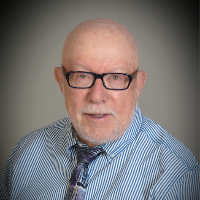
Dr. James Kowalski
Experienced CBT-informed counselor focused on recovery and resilience
LCMHC, LMHC West Virginia
- Experience
- 30 years in practice
- Focus areas
- Stress, Anxiety, Addictions, Grief
- Approaches
- Cognitive Behavioral Therapy (CBT), Acceptance and Commitment Therapy (ACT)
- Languages
- English
About James
Dr. James Kowalski brings a practical, evidence-informed approach grounded in cognitive behavioral therapy while also drawing on acceptance and commitment and client-centered methods.
Background and approach
With three decades in the helping professions, he emphasizes strategies that link thoughts, feelings, and behavior to promote clearer decision-making and more manageable day-to-day functioning. His style is interactive and respectful, aiming to tailor conversations and plans to each person’s situation.
Across a long career licensed in multiple states, Dr. Kowalski has worked extensively with people facing substance use challenges, mood-related concerns such as depression and bipolar symptoms, anxiety and stress, and difficulties related to grief, anger, trauma, eating, and self-esteem.
He also focuses on issues that often accompany major life transitions, including caregiver stress, hospice and end-of-life concerns, aging-related matters, cancer, and isolation or loneliness. His background includes work with addiction and anger management and a commitment to helping clients build sustainable wellbeing.
Practically minded and compassionate, Dr. Kowalski encourages clients to take the first steps toward change and collaborates to create individualized goals and strategies.
He practices in West Virginia and conducts sessions in English, offering multiple remote formats to accommodate different needs and schedules.
How evidence-based approaches translate to online care
Cognitive Behavioral Therapy (CBT) focuses on identifying and changing unhelpful thought patterns and behaviors to reduce distress and improve functioning; it is commonly used for anxiety, depression, stress, and many everyday coping challenges. Acceptance and Commitment Therapy (ACT) helps people clarify values, accept difficult internal experiences, and commit to actions that align with what matters most, which can be useful for stress, chronic worries, and life transitions. Client-Centered Therapy emphasizes a collaborative, respectful relationship where the therapist provides empathy and support to help clients explore their goals and discover their own solutions.
Choosing the right approach is a collaborative process. The therapist works with each person to understand their goals, preferences, and needs and will adapt methods over time so the plan fits the client’s circumstances and evolves as progress is made.
Online sessions can be delivered by video calls, phone sessions, live chat, or text-based messaging, offering flexibility for different schedules and comfort levels. These formats make it easier to access consistent support from West Virginia or elsewhere within the same licensing boundaries, and they allow therapy to fit into busy lives while maintaining the same collaborative, evidence-informed work that in-person therapy provides.
Frequently asked questions
What concerns does this therapist commonly work with?
What is his therapeutic style and approach?
How much clinical experience does he have?
Where is he licensed and based geographically?
Which languages are available for sessions and does he accept international clients?
What session formats are offered for remote therapy?
How is cost handled for sessions?
What are the first steps to begin working together?
Areas of expertise
Primary focus
Also works with
Additional focus areas
Therapeutic approaches
Experience
30+ years
Licensed
Georgia, North Carolina, Florida, West Virginia
Languages
English